
Los Angeles · Temporary Power Services
Construction Site Security Cameras
Solar camera trailers and fixed jobsite cameras with live monitoring, motion alerts and speaker deterrence. No wired power or existing WiFi required.
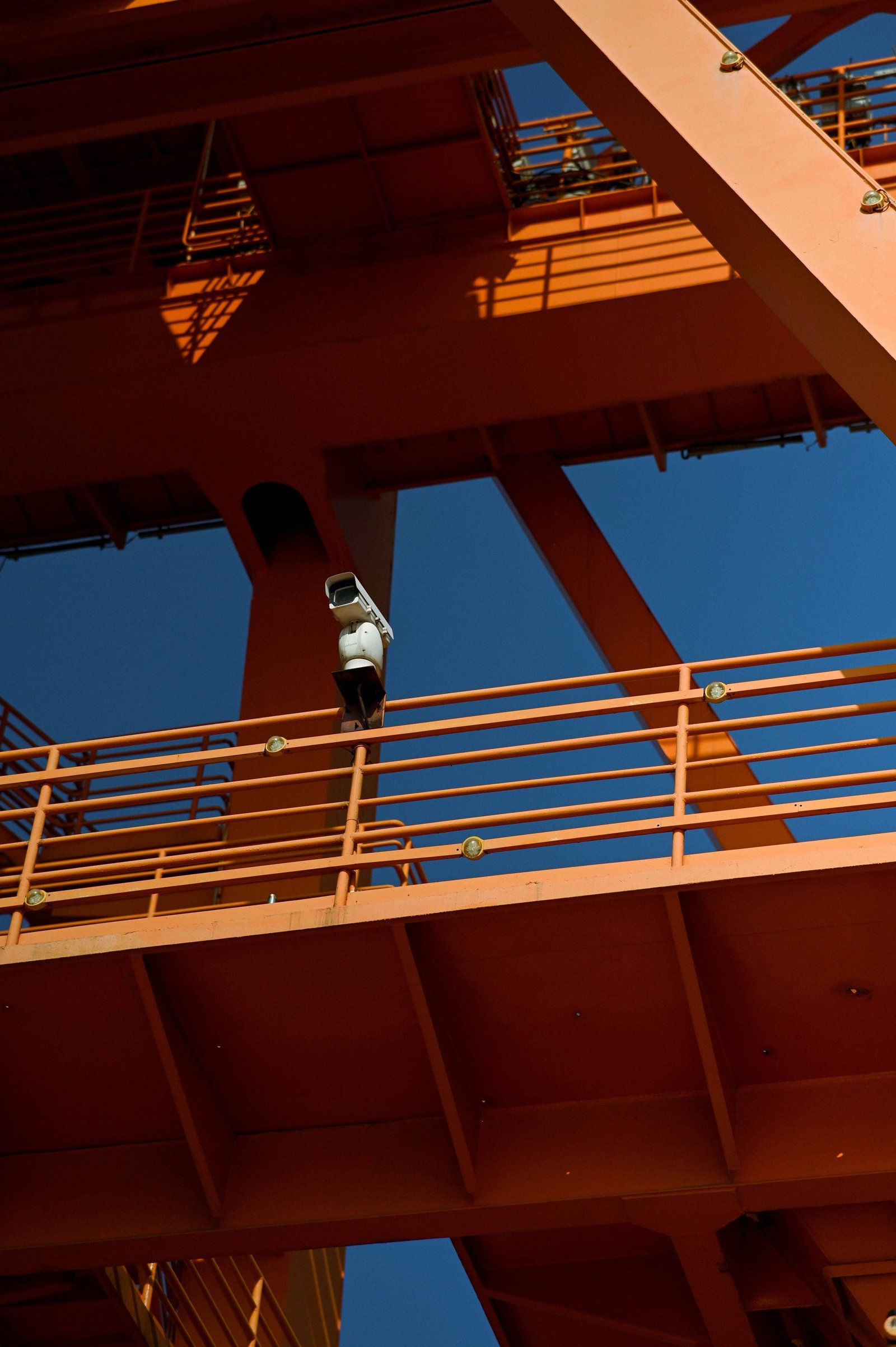
Construction Site Security Cameras · Los Angeles
Coverage That Works on a Site With Nothing Built Yet
Construction site security cameras are the cheapest insurance most Los Angeles projects can buy. Copper, tools, catalytic converters, lumber and unattended equipment all move off sites overnight, and the loss is rarely just the material. It is the two days waiting on a replacement lift. We rent and install two kinds of coverage. Mobile surveillance trailers are self-contained units with a mast, solar panels, batteries, cellular uplink and multiple cameras, towed into place and running the same afternoon with no power and no network on site. Fixed camera systems mount to trailers, poles or structures for longer projects and tie into the site network. Both come with recorded footage, motion alerts, optional live monitoring and speakers that let an operator talk to whoever just walked onto your lot at two in the morning.
Why Go With Us for Site Surveillance
A camera that stops recording because its battery died in a cloudy week is worse than no camera, because you thought you were covered. We size solar and battery capacity for a Los Angeles winter rather than a July afternoon, which is where most rental trailers quietly fail. We aim and configure every camera on site instead of pointing them at the general area and leaving. That means the gate, the material lay-down, the equipment corner and the approach get framed properly, with detection zones tuned so headlights on the street do not generate two hundred alerts a night. And because we install the power and the connectivity on many of these sites already, the cameras integrate with what is there rather than fighting it.
- Solar trailers that need no site power or WiFi
- Live operator monitoring with speaker warnings
- Motion alerts and footage on your phone
- Time-lapse documentation from the same cameras
Reasons to Put Cameras on Your Site
Cameras go up for more reasons than theft, though theft is usually the one that prompts the call.
You are storing anything worth taking
Copper wire, appliances, tools, fuel, generators and lumber all disappear from unfenced sites. A visible camera trailer with a strobe and a speaker turns most of that away before it starts, which is worth more than good footage of it happening.
The site sits empty every night and weekend
Construction sites are unoccupied roughly two-thirds of every week. Live monitoring during those hours means an operator sees someone on the lot in real time, warns them off by speaker, and calls it in, instead of you learning about it at seven the next morning.
You need a record of what happened
Delivery disputes, damage claims, injury investigations and disagreements about who poured what and when all resolve faster with footage. Recorded video has settled more subcontractor arguments on our customers’ sites than it has caught thieves.
Your insurer or GC requires it
Plenty of policies and prime contracts now require documented site security, and some carriers discount the premium when monitored cameras are in place. We can supply documentation of the system for whoever is asking.
There is no power or network to plug into
This is the usual blocker, and it is the reason solar trailers exist. A unit arrives fully charged, generates its own power and carries its own cellular connection, so it works on day one of a job when there is nothing on site but dirt and a fence.
Send us the site address and a rough plan and we will mark up where the cameras should sit. Call: (818) 463-2446
How We Work
One project manager runs your job from the first phone call through removal. Here is the flow:
1. Coverage plan
We look at the site layout, the fence line, the gate, the lay-down yard and the approach routes, then work out how many camera positions genuinely cover it. Two well-placed units almost always beat six pointed at whatever was convenient.
2. Delivery and setup
Trailers are towed in, leveled, staked and raised, usually within a day or two of the order. We aim every camera, set detection zones, test the cellular uplink and confirm the footage is reaching the portal before we leave.
3. Monitoring and support
You get a login for live views and recorded footage on your phone. If you added monitoring, a live operator watches during the hours you specify and escalates to speaker warnings and dispatch. We service the units on site if anything faults.
Systems We Deploy
Mobile surveillance trailers
A towable trailer with a mast running to around twenty feet, solar panels, a battery bank, cellular uplink and several cameras. It is fully independent of the site, moves as the work moves, and its physical presence is a deterrent on its own. This is the most common choice for open lots.
Solar cameras with no WiFi required
For smaller sites or specific problem corners, individual solar cameras with their own SIM cards mount to a pole or fence and need nothing from the site at all. They are quick to deploy, easy to relocate, and cover a single approach or gate well.
Live monitoring and speaker deterrence
Recorded footage tells you what happened. A monitored system stops it. During the hours you choose, an operator watches motion events, speaks through the on-board speaker, triggers strobes and calls law enforcement or your after-hours contact.
Time-lapse and progress documentation
The same cameras can capture scheduled stills for a full build time-lapse. Developers use the output for marketing, and project teams use it to settle questions about sequence and dates months after the fact.
Fixed systems on longer projects
On multi-year builds where a trailer would be in the way, we mount fixed cameras to structures or poles and run them off the site power and network. Higher resolution, better placement, and no trailer taking up a parking stall for two years.
What Affects Site Camera Rental Cost
Cameras rent by the month, and the price tracks a handful of decisions:
- Trailer or fixed cameras. A self-powered mobile surveillance trailer carries the mast, solar array and battery bank, so it costs more per month than individual cameras on an existing structure.
- How many positions the site needs. One unit covers a small residential lot. A full block with several gates and a lay-down yard needs multiple units to have no blind approach.
- Recording only or live monitoring. Recorded footage with motion alerts is the base offering. Adding a live operator during nights and weekends costs more and is what actually prevents losses.
- How long the equipment stays. Weekly rates exist for short jobs. Monthly is standard, and multi-month terms on a long build earn a materially lower rate.
- Data volume and resolution. Higher resolution and continuous recording push more data over cellular, which moves the plan tier.
- Relocations. Moving a trailer as phases change is a small charge per move, and we would rather move it than let it sit covering finished work.
Bottom line: one stolen mini-excavator costs more than a year of coverage. We will quote your site free.
Frequently Asked Questions
What is the best security camera for a construction site?
For an open lot with no utilities, a solar-powered mobile surveillance trailer is the right answer nearly every time, because it needs nothing from the site and its visible presence deters people before they commit. Once a site has power and a network, fixed high-resolution cameras placed on structures give better image quality for less money.
Are there jobsite cameras that do not require WiFi?
Yes. Everything we deploy carries its own cellular connection, so no site network is needed. If you already run portable WiFi on the trailer, we can put the cameras on it instead and keep the data cost down, but that is an option rather than a requirement.
How much does a mobile surveillance trailer cost to rent?
Monthly rental depends on the unit, the number of cameras and whether you add live monitoring. Short weekly terms are available and multi-month builds get a better rate. We quote the whole site rather than a per-camera number, so you can see what full coverage actually costs.
Can someone watch the cameras live overnight?
Yes. With monitoring added, a trained operator reviews motion events during the hours you specify, issues a speaker warning to anyone on your lot, triggers the strobe, and escalates to police or your emergency contact. Most customers monitor nights, weekends and holidays and leave working hours unmonitored.
How do the cameras stay powered with no electricity on site?
Solar panels charge an onboard battery bank sized to carry the unit through several days without sun. We size for winter conditions in Los Angeles rather than summer, which is the difference between a system that runs all year and one that goes dark in February.
How long is footage kept and can I download it?
Recorded video is retained in the cloud for a set window, typically several weeks, and you can view, clip and download it from a browser or a phone. If you need footage for a claim or a police report, we can pull and export it for you.
Can the cameras move as the project changes phase?
They should. A trailer parked where the building is about to go up is useless. We relocate units as phases shift, and we plan the first placement with the sequence in mind so it does not need moving in week two.
Need temp power in LA?
Tell us about your site and we will call back within one business hour with a flat-rate quote.
Or call us now: (818) 463-2446